
Brick bag packing machine
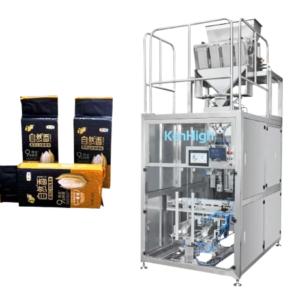
A brick bag packing machine forms, vacuums and seals products into compact rectangular brick-shaped bags — the format coffee brands use for 250g, 500g and 1kg retail packs. The vacuum brick shape removes air completely, locks in aroma and freshness for 12–18 months, and stacks on pallets and store shelves with almost no wasted space.
Jingrui’s vacuum brick packing machines handle ground coffee, coffee beans, milk powder, flour, rice and tea. PLC touch-screen control, stainless steel product contact parts, and bag size changeover in minutes without tools. Tell us your product, target bag weight and film material, and our engineers will recommend the right configuration — or say plainly if a brick bag is not the right format for your product.
Why the Brick Bag Became the Standard for Coffee and Powder Packaging
Walk down the coffee aisle of any supermarket and you will see the same shape again and again: a hard, rectangular brick. That shape is not a marketing decision — it is the result of vacuum packaging done properly. A brick bag packing machine vacuumizes the bag before sealing, so the film collapses tightly around the product and hardens into a block that keeps its shape without any internal skeleton.
The practical benefits add up quickly. Because the brick is rigid, bags stack on pallets without collapsing, which means more product per container and lower shipping cost per kilogram. Because the air is gone, oxidation stops: ground coffee keeps its aroma 12 to 18 months, and milk powder stays free-flowing without clumping. And because the six faces are flat, the bag prints beautifully — every panel is a billboard at the shelf.
What Our Brick Bag Packing Machines Do
The machine handles three jobs in one cycle. First, the product drops into a pre-formed bag or a film tube formed around the product. Second, a vacuum chamber pulls the air down to a preset level — deep vacuum for coffee, gentler vacuum for fragile or dusty products. Third, the seal bars close on flat, product-free film, which is what gives the brick its clean corners and its leak-proof seams.
- Vacuum depth control — different products need different vacuum levels; the PLC stores each recipe, so switching from coffee to rice takes seconds, not adjustments.
- Bag sizes from 100g to 5kg — changeover between sizes is tool-free and takes minutes.
- Stainless steel contact parts — food-grade construction, easy cleaning, compliant with export food safety audits.
- Gas flush option — for products that need nitrogen flushing instead of, or before, vacuum.
Which Products Run Well on a Brick Bag Machine
Ground coffee and coffee beans are the classic application — vacuum is the only way to hold volatile aroma compounds long term. Milk powder, protein powder and flour benefit even more: the brick shape prevents the compaction and caking that round bags suffer from, and the flat surfaces make palletizing trivial. Rice and grains pack well in 1–5kg bricks for club-store formats, and loose-leaf tea keeps its fragrance when vacuum-sealed in foil brick bags.
Honest advice, as always: brick bags are not the answer for everything. Products with sharp edges that can puncture film, very oily products that migrate through laminate, and brands that need a stand-up pouch for shelf visibility should look at our pre-made pouch packing machines instead. If you are unsure, send us your product details — we will tell you which format fits.
Space Optimization: The Structural Superiority of Cube-Shaped Packaging
Securing a competitive edge in sectors like commercial coffee roasting, yeast processing, dense grains, and specialty agricultural export requires moving past loose pillow pouches. Loose, irregular bags present significant material handling issues, shifting during transit and wasting up to thirty percent of warehouse pallet space. Foshan Jingrui Smart Machinery counters this logistical bottleneck by engineering an automated brick bag packing machine line that shapes loose raw materials into perfectly square, dense blocks that mimic the rigidity of hard boxes.
How to Get a Quote
Three numbers are enough to start: your product, your target bag weight, and your required output per shift. With those we can recommend the machine model, confirm the bag dimensions, and send a quotation with lead time — usually within 24 hours. Free product trials are available: send five to ten kilograms of your product and we film the machine running it, so you see the brick quality before you order anything.