
A chili sauce producer in Thailand sent us a video of his filling station. The line was running at 40 pouches a minute and the product looked fine on camera. Then he flipped the camera down to the drip tray: about a litre of sauce had collected in twenty minutes.
That is three litres an hour, 24 litres a shift, roughly 7,000 litres a year. At his product cost that is over $20,000 of sauce going into a tray, before anyone counts the cleaning time or the pouches that failed the seal because sauce sat in the seal zone.
He had assumed this was normal for a paste line. It is not, and the cause is almost always one of six mechanical conditions.
Where the drip comes from
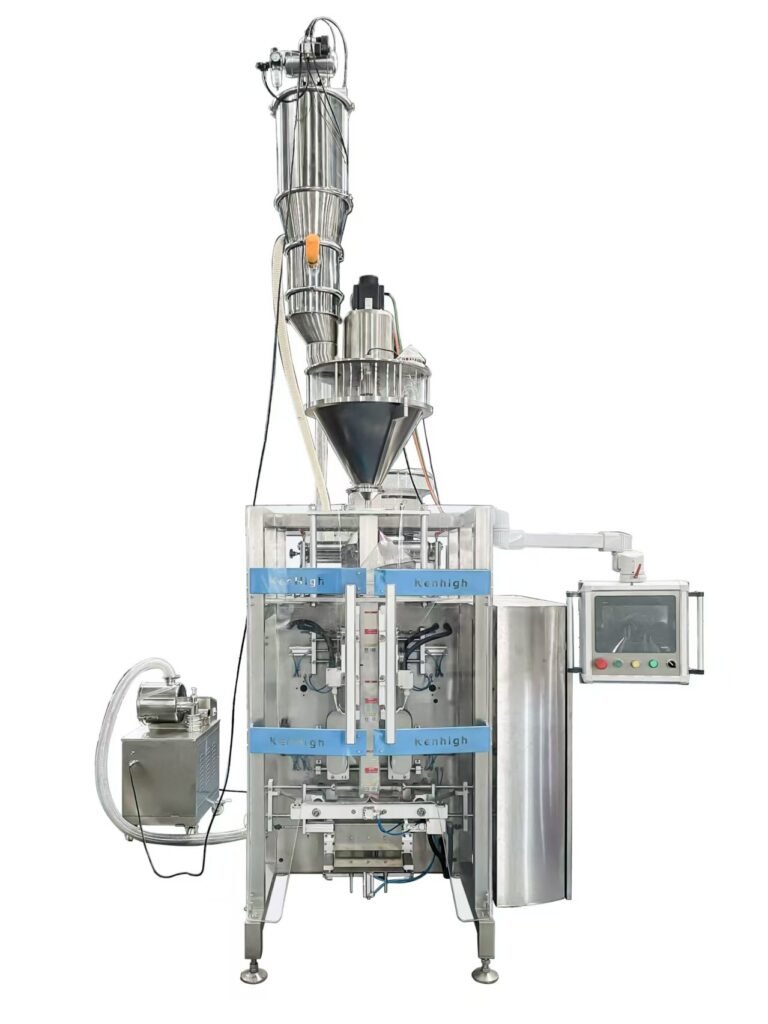
Cut-off timing. A nozzle that closes after the flow has already stopped leaves a hanging drop. Close it too early and you get a short fill. The window is usually 30–80 milliseconds wide, and on a machine without a servo-driven valve it is set once and never revisited, even when the product or the fill weight changes.
Viscosity drift with temperature. A sauce that fills cleanly at 60 °C strings and drips at 45 °C. If the jacketed tank and the line are not held at a consistent temperature, the drip rate changes through the shift: clean in the morning, dripping by afternoon. Producers blame the machine; the product got colder.
No suck-back. A piston filler with a proper suck-back pulls the product back into the nozzle at the end of the stroke. Without it, the column of product between the valve and the nozzle tip falls out by gravity on every cycle. This is the single most common design omission on economy machines.
Valve and seal wear. A worn O-ring in the filling valve lets product bypass and drip continuously, not just at cut-off. It shows up as a wet nozzle all the time rather than a drop at the end of each fill.
Product in the seal zone. On a pouch machine, a drop that lands on the pouch mouth before sealing creates a contaminated seal. The bag looks fine, then leaks in transit. This is the link between drip loss and [why bags leak](https://jingrui-packingmachine.com/bag-seal-failure-causes/): the leak is usually a drip that nobody saw.
Filling against back pressure. If the pouch is filled too fast, product foams and climbs the film; when the fill stops, the foam collapses and runs down the outside. Slower fill with a dwell at the end is often worth more than any anti-drip hardware.
How to find your cause in an afternoon
Run the machine with water first. Water reveals valve timing and suck-back problems with no product cost, and it makes the drip visible. If water runs clean but sauce drips, the problem is viscosity, temperature, or product stringing rather than the valve.
Then weigh ten consecutive fills and look at the spread, not the average. A tight average with a wide spread means the valve is closing inconsistently, which points at wear or at air pressure. A consistent light fill points at cut-off timing.
Finally, put a sheet of white paper under the nozzle for two minutes and count the drops. Drops per minute is a number you can compare after every adjustment, which beats judging by eye.
What actually fixes it
Anti-drip valve with suck-back, sized for your viscosity. This is the correct fix for 80% of paste lines, and it is a $600–1,500 component, not a new machine.
Nozzle geometry. A smaller orifice with a longer taper breaks the stream more cleanly than a wide short nozzle. On high-viscosity products, a heated nozzle also helps.
Product temperature control, from the tank through the line to the nozzle. A 5 °C drift changes viscosity enough to change the drip behaviour on most sauces.
Blow-off and seal-zone protection. A short air puff at the pouch mouth before sealing removes the residual drop. On [pre-made pouch liquid machines](https://jingrui-packingmachine.com/product/premade-pouch-liquid-paste-packing-machine/) this is standard; on older VFFS liquid lines it is usually missing.
Fill profile changes. Slow start, fast middle, slow finish with a dwell. This costs a few percent of cycle time and often removes the foam problem entirely.
When the drip is not worth chasing
If you are filling water-thin liquid into large containers at low value — 5 litre bottles of cleaning fluid — a simple gravity filler with a drip tray is the correct engineering answer. Spending 30% more on servo-driven anti-drip hardware to save 0.3% of product does not pay back.
The same applies to products where the tray can be returned to the tank. If the drip is clean product caught in a hygienic tray and re-used, the loss is time and cleaning, not material — and the fix is a smaller nozzle and a shorter fill, not a new machine.
Where it absolutely is worth chasing: high-value products, sticky products that contaminate seals, and anything where the drip tray is a food-safety or allergen issue rather than a cost issue.
Send us your product’s viscosity, fill weight, and a photo of the nozzle at cut-off, and we will tell you which of the six causes is costing you the litres.
FAQ
Why is my filler dripping between fills?
Usually because there is no suck-back at the end of the stroke, or the cut-off timing is set wrong. A piston filler without suck-back lets the column of product between the valve and the nozzle tip fall out by gravity on every cycle. Water-thin liquids are less affected; pastes and sauces drip on every fill.
How much am I actually losing to drip?
Measure it rather than estimate: weigh the drip tray over one shift and multiply by your annual shifts, then by product cost. A litre per twenty minutes is 24 litres a shift, which is around 7,000 litres a year on a 300-day schedule. That figure usually justifies an anti-drip valve within one season.
Can I add suck-back to an existing filling machine?
On most piston fillers, yes: it is a valve and a control change at the nozzle, not a new machine. On gravity fillers with no valve at all, the fix is a nozzle assembly rather than a retrofit. Ask for the nozzle to be evaluated before accepting a full replacement quote.


