Three years ago, a coffee producer in Peru sent us a photo of their packing room. Six operators, six single-lane machines, and a pallet of 3-gram stick bags waiting to be sealed by hand. They were producing about 40,000 sticks a day and falling behind their own orders.
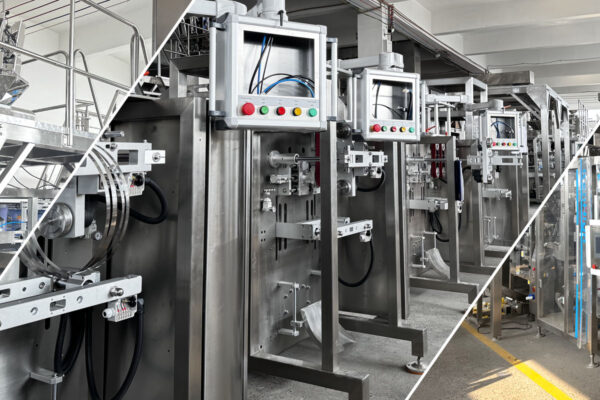
Last month they sent us another photo. Same room. Two operators, one multilane stick packing machine running eight lanes, and the same daily output finished before lunch.
That kind of change is happening across the coffee and supplement industry right now, and it is worth explaining why — because multilane machines are not the right answer for everyone, despite what the brochures say.
The math that drives the decision
A single-line stick packing machine runs at 35 to 60 sticks per minute depending on the product and film. That sounds fine until you do the yearly arithmetic. At 50 sticks a minute, one shift, you get roughly 24,000 sticks a day.
A six-lane multilane machine does not run six times faster in practice — real output is usually four to five times a single line, because sachet cutting and film feeding share one set of mechanics. Still, that is 150 to 250 sticks a minute, or somewhere between 90,000 and 140,000 sticks per shift.
For a brand selling 3-in-1 coffee, instant espresso, collagen powder, or drink mixes, that difference is the line between turning down orders and taking them.
What actually changed in the machines
Multilane stick packers are not new. What changed in the last five years is the control side. Older machines needed a mechanic every time you adjusted fill volume or sealing temperature. Current servo-driven models store recipes on a touchscreen PLC, so switching between a 2-gram espresso stick and a 10-gram protein sachet takes minutes, not an afternoon.
Sealing quality improved as well. Powder sticks used to leak at the crimp when the auger overfilled by half a gram. Modern dosing systems check weigh in real time and trim the fill automatically, which matters more than people expect — a 1% overfill on a coffee stick is pure lost product at scale.
When a multilane machine is the wrong choice
Honesty saves everyone time. If your total volume is under a million sticks a month, a single-line machine — or even a semi-automatic setup — will cost less and frustrate you less. Multilane machines earn their price when the lanes stay full.
They also punish variety. Eight lanes running one product is efficient. Eight lanes stopping eight times a day for SKU changes is not. If you pack forty different flavors in small batches, lanes sit idle and the math collapses. In that case, two or three single-line machines give you flexibility the multilane cannot.
What to check before you buy
Stick width range. Ask for the minimum and maximum lane width in millimeters, not “available in many sizes.” Standard lanes handle 15 to 40mm; anything outside that needs custom tooling.
Changeover time on video. Ask the supplier to film a full size changeover, unedited. Fifteen minutes is good. An hour is a hidden labor cost nobody quotes you.
Wearing parts list and price. Cutting knives, sealing jaws, and dosing screws wear out. A serious manufacturer sends you the spare parts price list with the quotation, without being asked.
Cartoning connection. Sticks packed in bulk boxes are 2015. Most buyers now want an orderly output that feeds a cartoning machine directly. If you will need cartoning in two years, say so now — retrofitting orderly output later costs more than ordering it upfront.
Where this leaves you
The shift to multilane stick packing is not a trend anyone is forcing. It is simply the point where labor costs and order volumes cross, and for a growing coffee or supplement brand that point arrives sooner than expected.
If you are weighing a single-line machine against a multilane line, send us your stick dimensions, target output, and product type. We will tell you plainly which side of the math you are on — including when the honest answer is to buy the smaller machine first.